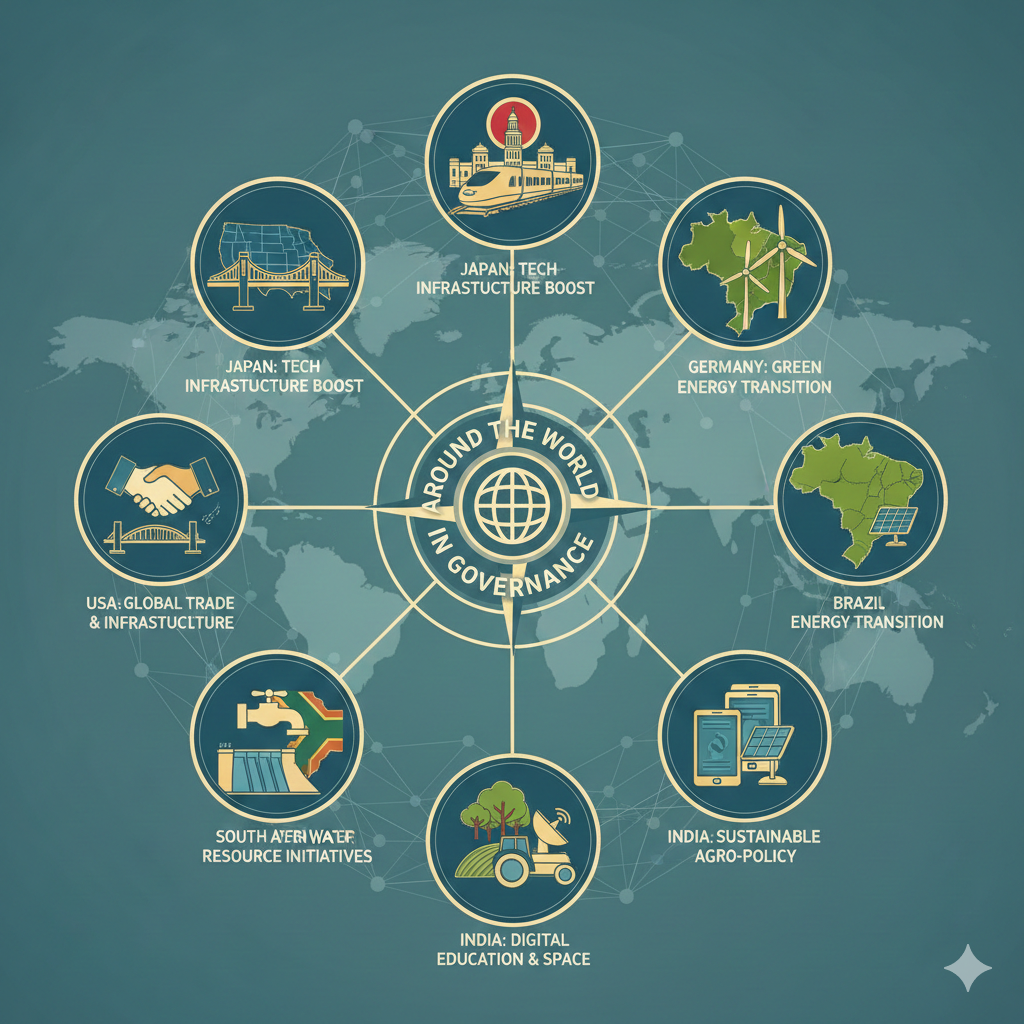
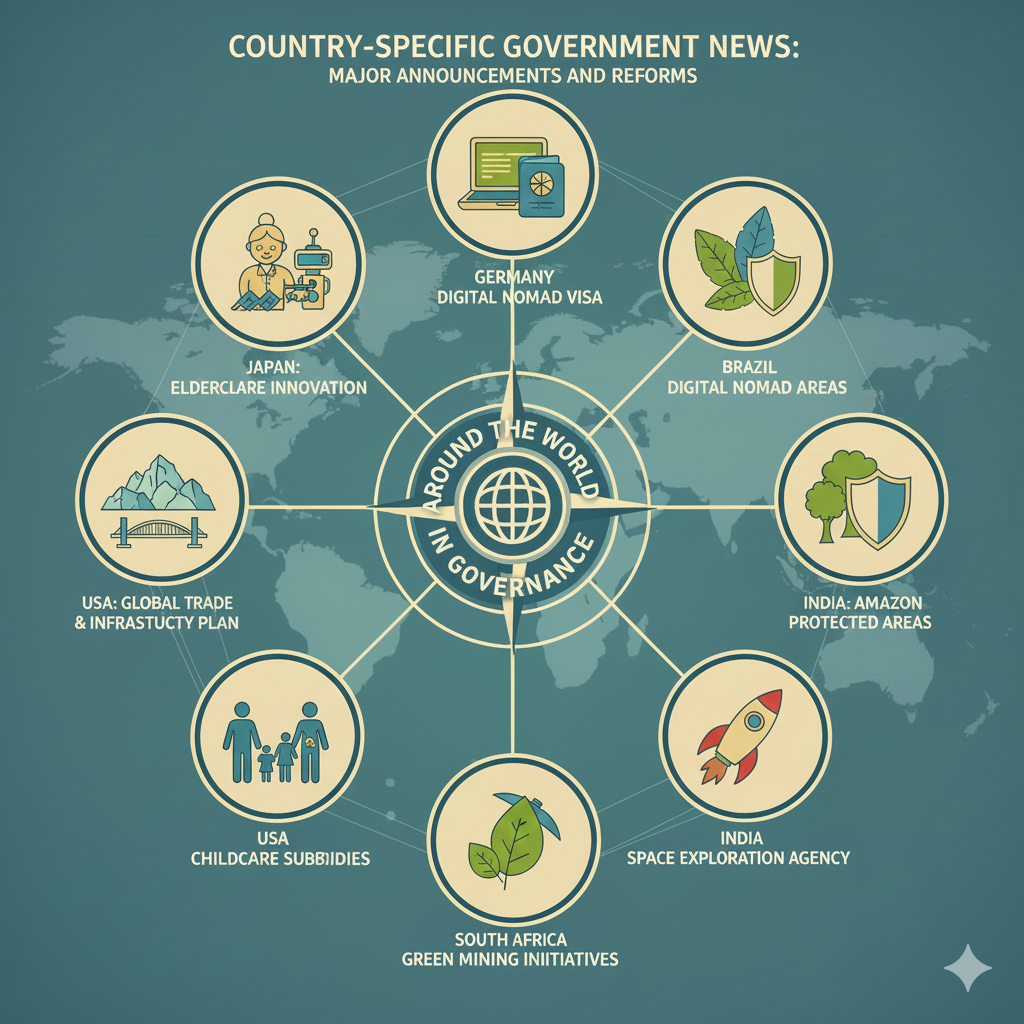
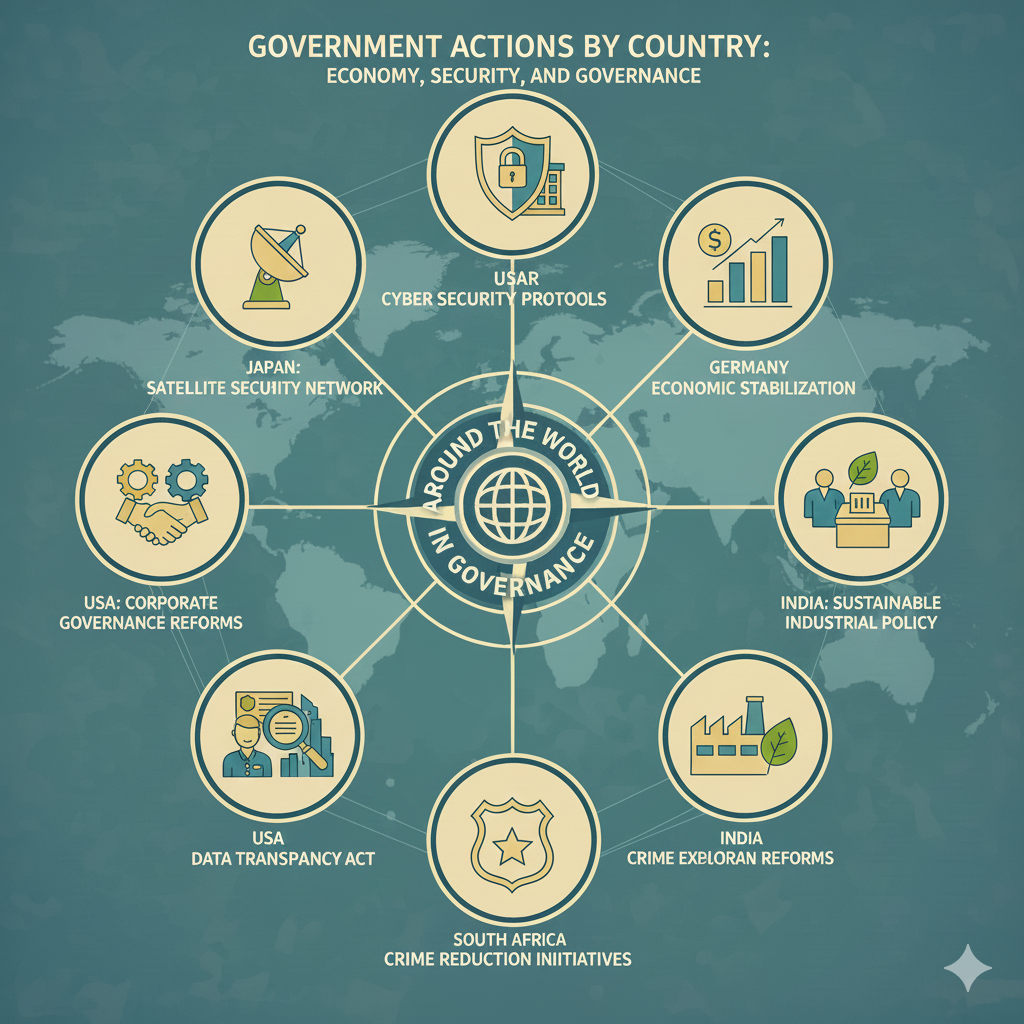
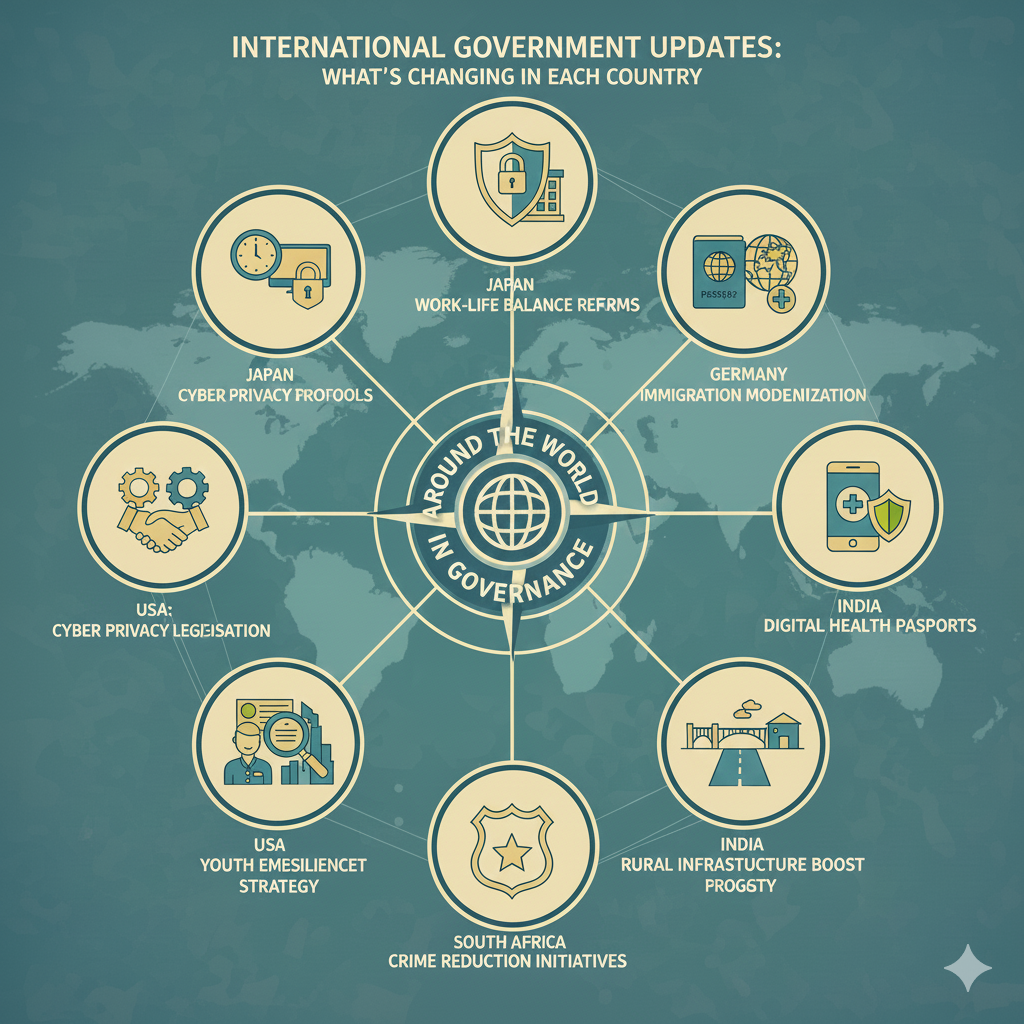
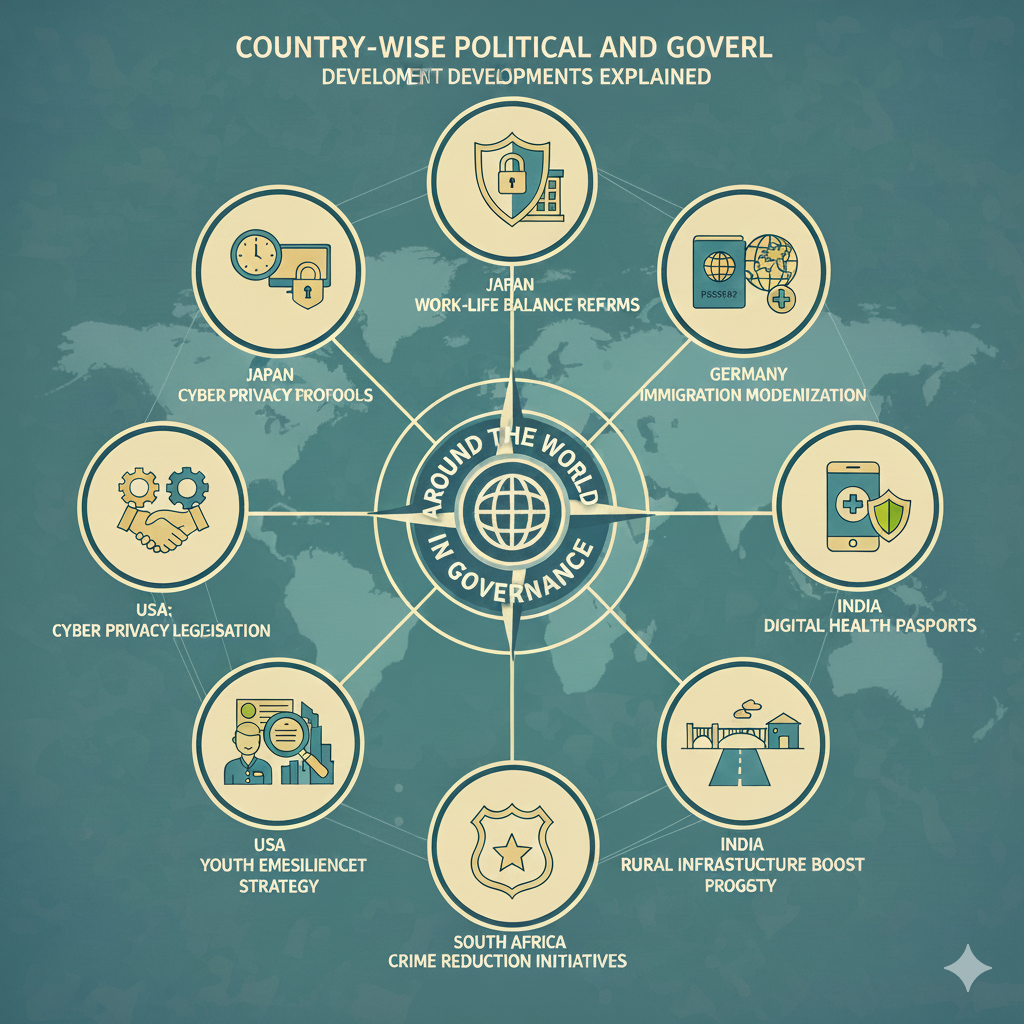
In response to global issues, societal demands, economic pressures, and technological advancements, governments everywhere are implementing new policies and reforms. In addition to reflecting national interests, these reforms are impacted by global developments including digitalization, climate action, and geopolitical changes. It is easier to comprehend how many nations are modifying their governance models and determining their future growth routes when recent government actions are examined nation-by-nation.
Economic Reforms in Every Country
For the majority of governments, economic policy reform continues to be a primary concern. Many nations are concentrating on enhancing budgetary restraint, promoting investment, and bolstering homegrown businesses in order to increase economic resilience. Common strategies to increase growth include tax reforms, business-friendly laws, and incentives for research and production.
To lessen their susceptibility to global shocks, a number of countries are also updating their trade policies. Important components of recent economic changes include export promotion, support for small and medium-sized businesses, and supply chain diversification. The goal of these policies is to strike a balance between national economic security and globalization.
Reforms in Public Service and Social Welfare
As governments work to lower inequality and enhance quality of life, social policy measures are gaining traction across all areas. A key component of these initiatives is funding for social protection, healthcare, and education. Many nations are improving public hospitals, bolstering health insurance systems, and increasing access to healthcare.
Workforce preparedness, digital learning, and skill development are the main goals of education reforms. In order to maintain social mobility and long-term economic competitiveness, governments are coordinating educational programs with job market demands.
Reforms in Governance and Administration
One of the main themes of recent policy improvements is increasing the effectiveness of government. Administrative reforms are being implemented by governments in an effort to improve service delivery, decrease bureaucracy, and increase transparency. The way people engage with the government is changing as a result of digital governance projects like digital identity systems, electronic documents, and online public services.
Institutional changes and anti-corruption initiatives are also common in many countries. Public trust, political stability, and economic progress are all thought to depend on strengthening accountability and the rule of law.
Reforms to Digital and Technology Policies
Global government policies are changing as a result of technology-driven reforms. To guarantee secure and inclusive digital ecosystems, nations are enacting laws pertaining to cybersecurity, data protection, and digital platforms. Governments are simultaneously encouraging innovation by funding businesses, research, and digital infrastructure.
Digital transformation is facilitating financial inclusion, e-commerce, and information access in addition to increasing the effectiveness of governance. Modern economies and cultures are greatly influenced by these developments.
Reforms to Environmental and Climate Policy
Government reforms now place a strong emphasis on environmental sustainability. Policies to cut emissions, support renewable energy, and safeguard natural resources are being adopted by numerous countries. Growing awareness of long-term ecological concerns is reflected in environmental regulations, green energy incentives, and climate action plans.
Additionally, governments are incorporating methods for climate adaptation into national planning. The connection between environmental reform and national security is emphasized by policies that deal with water management, agricultural resilience, and catastrophe preparedness.
Reforms in the Labor Market and Employment
To accommodate shifting job trends and workforce demands, labor reforms are being implemented. Governments are revising labor regulations to strike a balance between business freedom and worker protection. The purpose of policies that support employment creation, skill development, and vocational training is to equip citizens for changing labor markets.
By promoting women’s employment, youth involvement, and social security coverage for informal workers, certain countries are also concentrating on labor market inclusion.
Reforms in Public Health and Healthcare
Healthcare reforms around the world have increased due to recent global health issues. Governments are boosting spending for healthcare, enhancing disease surveillance, and fortifying public health systems. Policies that prioritize digital health, preventive care, and the development of healthcare infrastructure are becoming more prevalent.
Public health reforms seek to enhance population health and productivity in addition to crisis management.
Institutional Reforms and Foreign Policy
Reforms in foreign policy are a reflection of shifting global conditions. Numerous governments are expanding their international alliances, enhancing regional collaboration, and rethinking diplomatic tactics. National priorities and domestic changes are influenced by trade agreements, security cooperation, and membership in international organizations.
Strengthening diplomatic services, trade promotion organizations, and international coordination mechanisms are examples of institutional reforms that serve foreign policy goals.
Budgetary and Public Finance Reforms
Public finance reforms are being implemented by governments all over the world to guarantee fiscal sustainability. Key goals include efficient resource allocation, budgetary restraint, and openness in public spending. To increase accountability, some countries are implementing digital financial management systems and performance-based budgeting.
These changes assist governments in controlling public debt while funding social programs and growth.
Typical Worldwide Patterns in Policy Reform
Recent government changes reflect a number of global tendencies, despite variations in country situations. These include emphasizing sustainability, inclusive growth, digital governance, and economic resilience. When it comes to crafting policy, governments are becoming more outcome-oriented, data-driven, and technologically enabled.
However, striking a balance between national interests and international cooperation is still difficult. While addressing global economic, environmental, and security challenges, policymakers must manage domestic concerns.
In conclusion
Recent government policies and reforms, country by country, show a globe in transition. By modernizing economies, enhancing governance, and investing in people and technology, governments are responding to complicated challenges. Building resilient, inclusive, and sustainable societies is the shared objective, despite differences in methodology. Gaining knowledge of these reforms can help one better understand trends in global governance and the future course of national development in a globalized society.