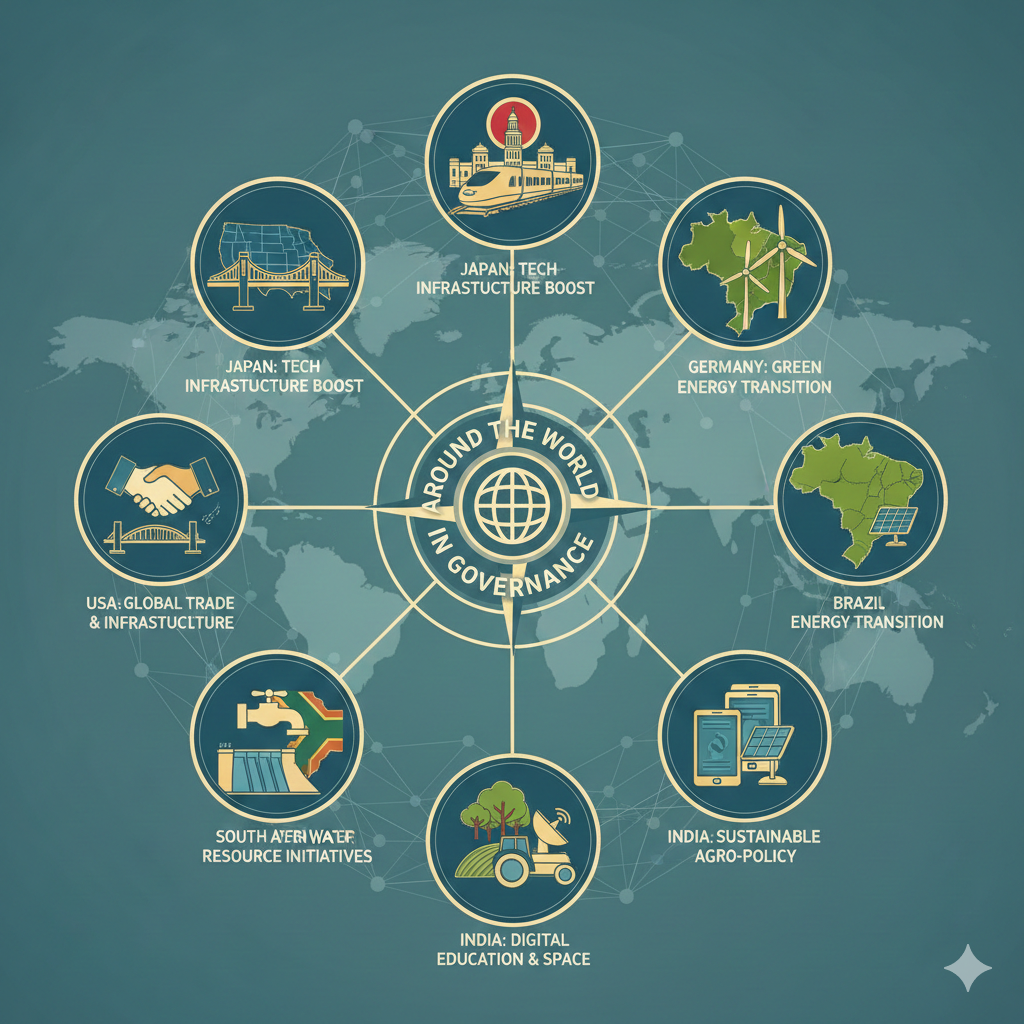
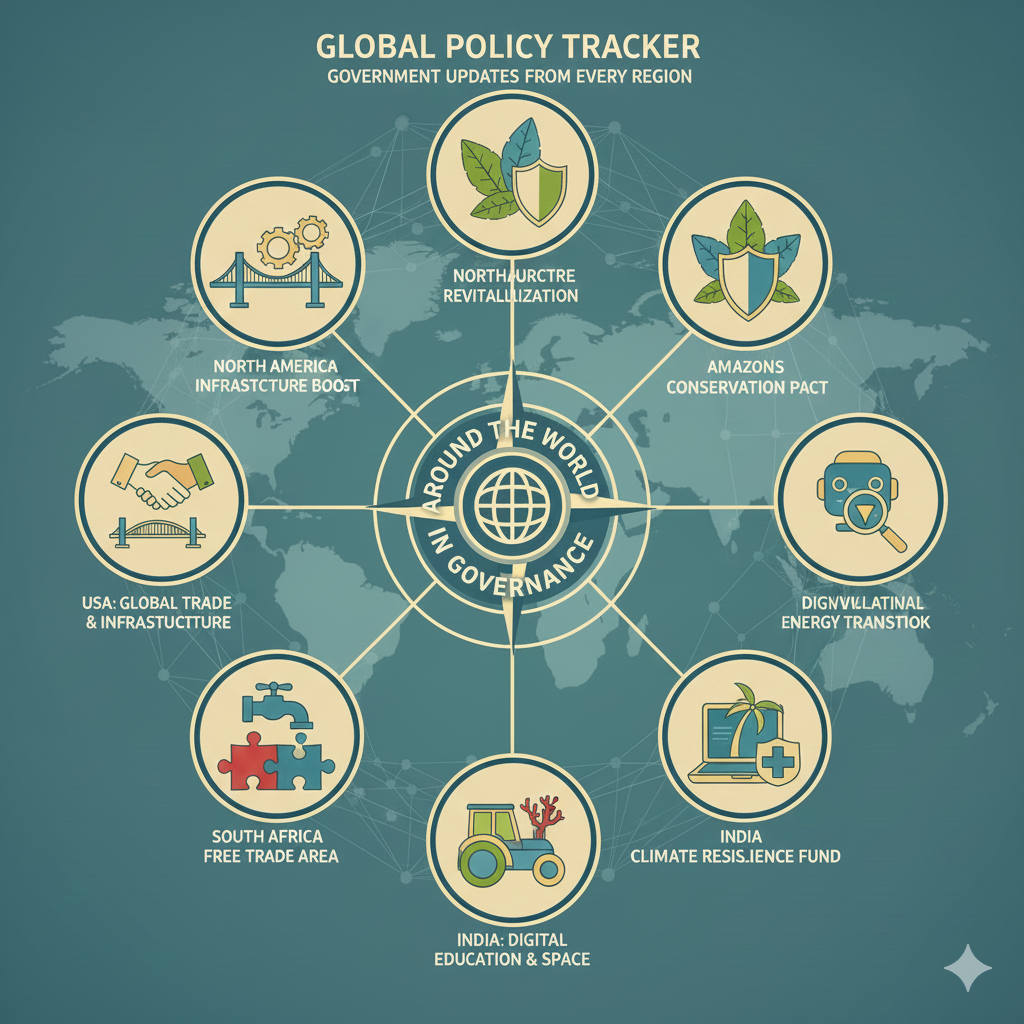
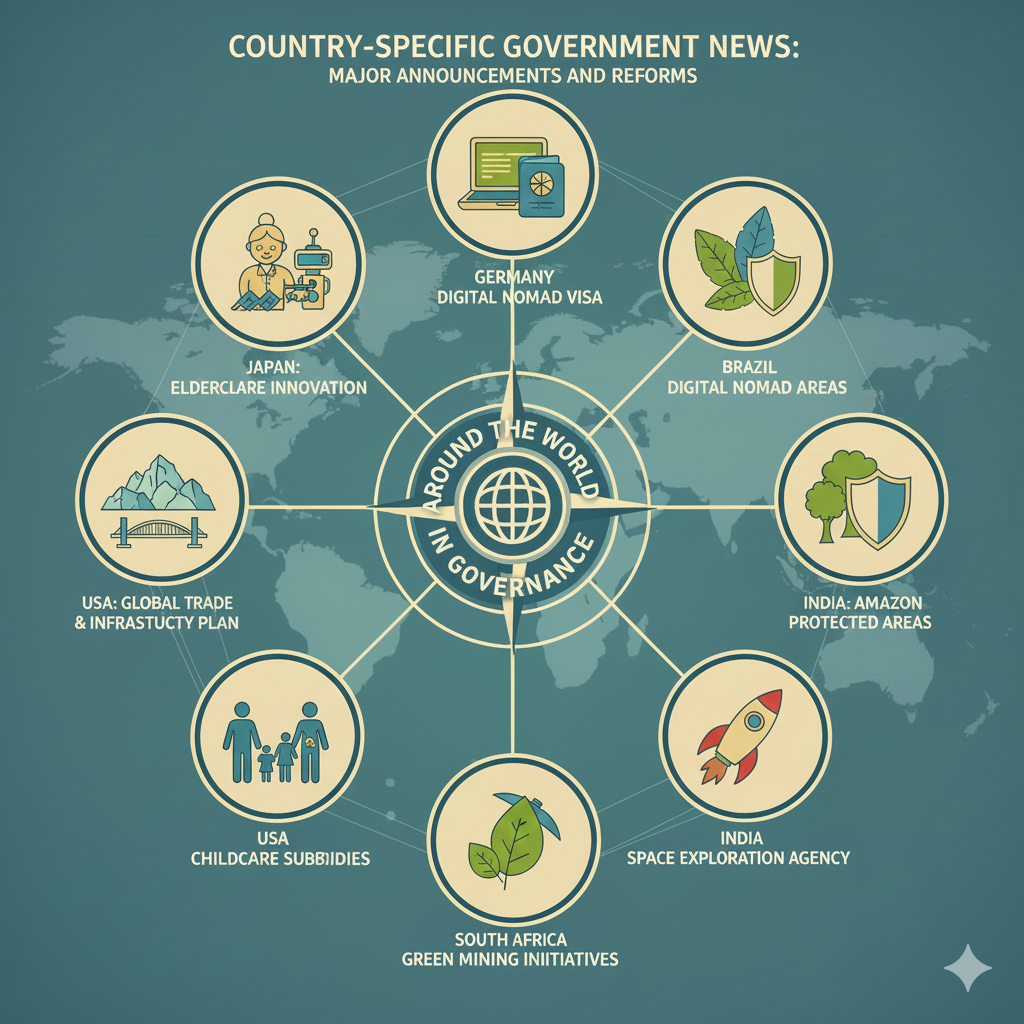
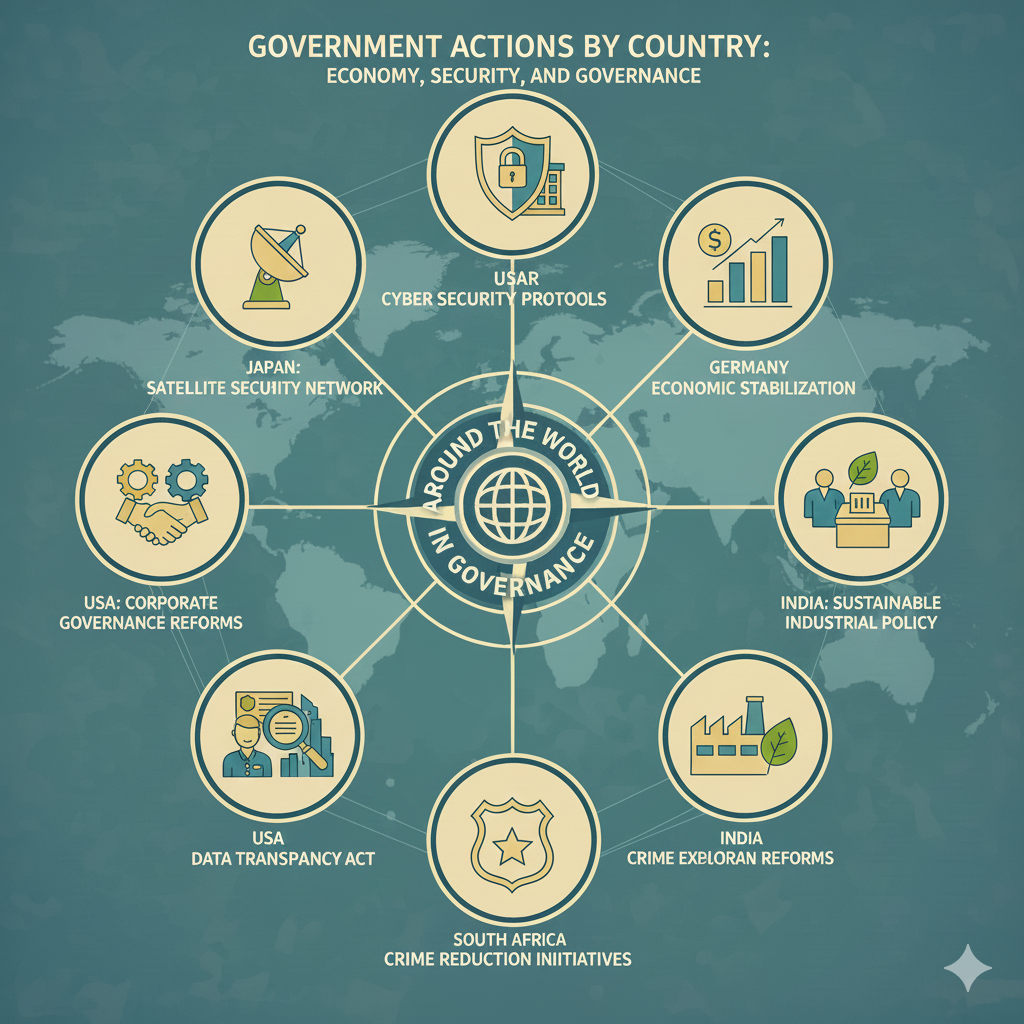
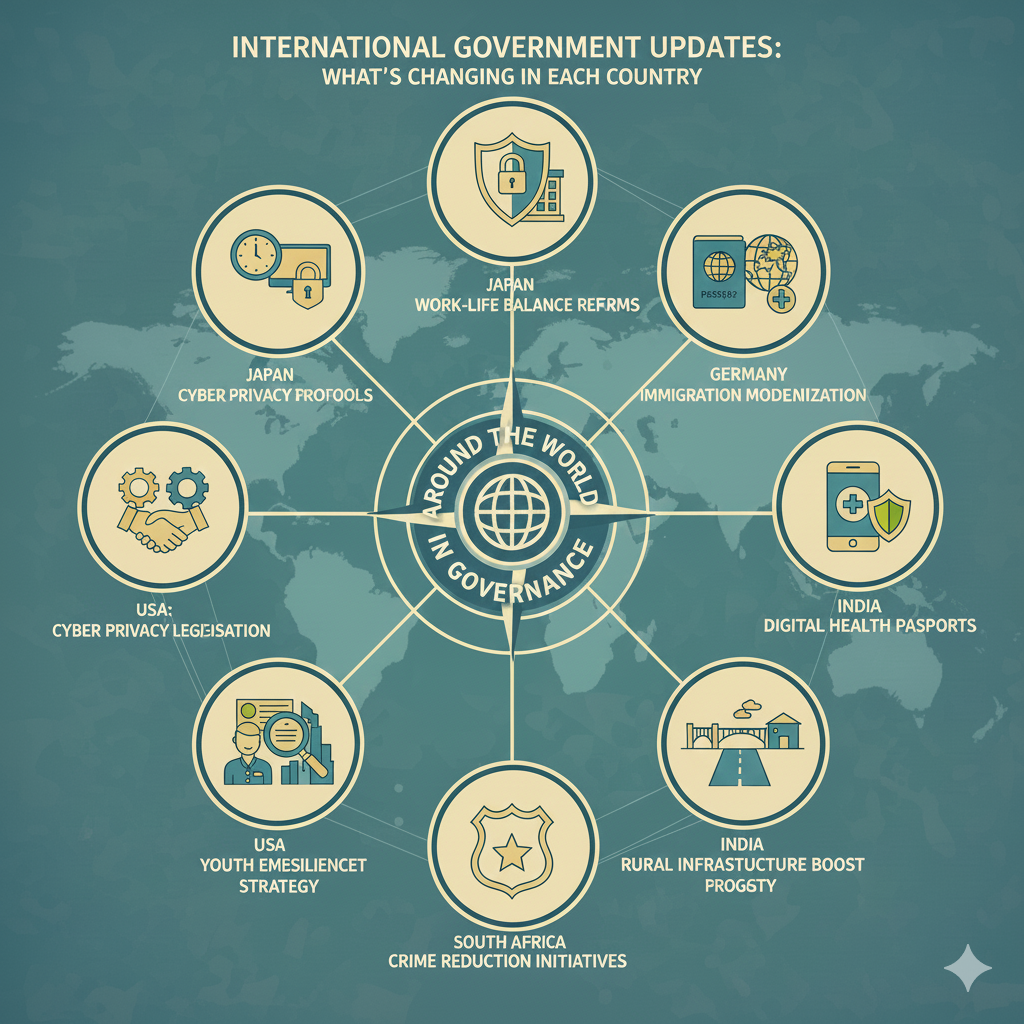
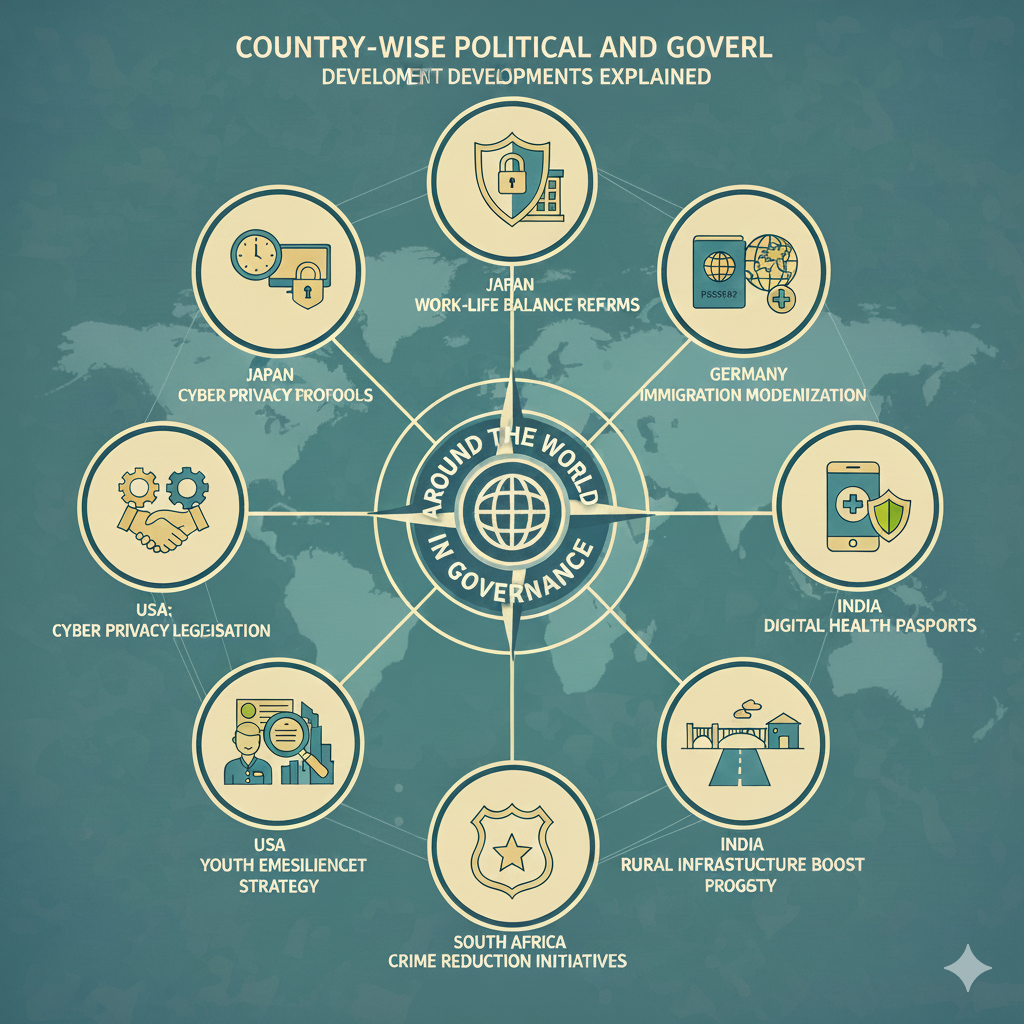
To meet economic difficulties, social demands, security concerns, and worldwide trends, governments all over the world frequently announce new policies, reforms, and strategic initiatives. Citizens, companies, and analysts can better grasp how different countries are reacting to both internal priorities and external forces by reading country-specific government news. Significant announcements and reforms frequently indicate changes in political strategy, economic orientation, and governance, influencing both national and international development pathways.
Fiscal Reforms and Economic Announcements
One of the most closely watched government updates is the presentation of economic policy. Fiscal reforms are being implemented in many nations to control public debt, inflation, and economic expansion. Plans for public investments, tax reforms, and budgetary adjustments all seek to promote growth while preserving financial stability.
Additionally, governments are announcing programs to promote innovation, small enterprises, and home industries. Infrastructure projects, digital startups, and industrial incentives are examples of initiatives to boost economic competitiveness and resilience in a volatile global economy.
Public Welfare Programs and Social Sector Reforms
Reducing inequality and enhancing quality of life are common goals of social policy pronouncements. Governments are bolstering social security programs, improving healthcare coverage, and modernizing educational systems. Accessible and effective healthcare is becoming increasingly important, as seen by changes in public health infrastructure, insurance programs, and digital health services.
Initiatives for digital learning, skill development programs, and curriculum modernization are examples of education reforms. The purpose of these announcements is to help residents get ready for evolving labor markets and technology advancements.
Reforms in Governance and Administration
One of the main topics of national government news is governance changes. Numerous governments are proposing plans to increase accountability, transparency, and administrative effectiveness. Strengthening institutions and public trust is the goal of anti-corruption programs, judicial reforms, and public administration reorganization.
Government-citizen contacts are changing as a result of digital governance developments like the growth of e-governance platforms and online public services. These changes enhance service delivery, lower bureaucracy, and boost accessibility.
Announcements on Security and Defense Policy
Announcements pertaining to security show how governments are attempting to deal with both established and new threats. Common priorities include counterterrorism tactics, border security measures, and defense modernization initiatives. To safeguard vital infrastructure and digital systems, governments are also bolstering cybersecurity rules.
Government announcements often emphasize strategic alliances and international security cooperation. Regional security frameworks, intelligence-sharing agreements, and joint defense projects all highlight how crucial cooperation is in combating cross-border threats.
Diplomatic and Foreign Policy Developments
Announcements on foreign policy frequently indicate changes in strategic priorities and international engagement. To improve political and economic relations, governments announce new regional alliances, trade agreements, and diplomatic initiatives.
Participation in international forums and multilateral organizations continues to be a crucial component of foreign policy. These declarations show nations’ dedication to global collaboration on matters including trade, security, health, and climate change.
Reforms to Environmental and Climate Policy
Announcements about environmental policies are becoming more and more common in official news. Reforms are being implemented by nations to support renewable energy, lower emissions, and safeguard natural resources. Growing awareness of environmental issues is reflected in climate action programs, green financing initiatives, and sustainability policies.
Additionally, governments are announcing climate adaptation plans that emphasize sustainable agriculture, water management, and disaster preparedness. Long-term economic and environmental sustainability depends on these changes.
Updates on Digital Policy, Innovation, and Technology
Global government priorities are changing as a result of technology-driven reforms. Announcements about data protection, digital infrastructure, and artificial intelligence emphasize initiatives to foster innovation while upholding security and moral principles.
Governments are funding digital skills training, startup ecosystems, and research and development. These programs seek to improve the country’s competitiveness and use technology into economic planning and public services.
Reforms in the Labor Market and Employment
To address workforce issues and shifting economic realities, labor and employment reforms are regularly announced. Governments are boosting employment-generating initiatives, encouraging skill development, and amending labor regulations.
Workplace safety, social security coverage, and labor market inclusion reforms are examples of larger initiatives to strike a balance between worker protection and economic flexibility.
Announcements on Public Finance and Budget
Public finance reforms and budget releases are important markers of government goals. To enhance resource allocation and accountability, governments are implementing digital financial management systems, performance-based budgeting, and transparency initiatives.
Announcements of public investments in infrastructure, health, education, and technology show fiscal planning and long-term development objectives.
In conclusion
Government news pertaining to a nation regarding significant announcements and reforms provide important information about how countries are adjusting to a world that is changing quickly. Government initiatives reflect changing national goals and international influences, from social and economic changes to security plans and environmental regulations. Stakeholders can better anticipate policy direction, evaluate possibilities and dangers, and participate in an interconnected global environment by being aware of these changes.