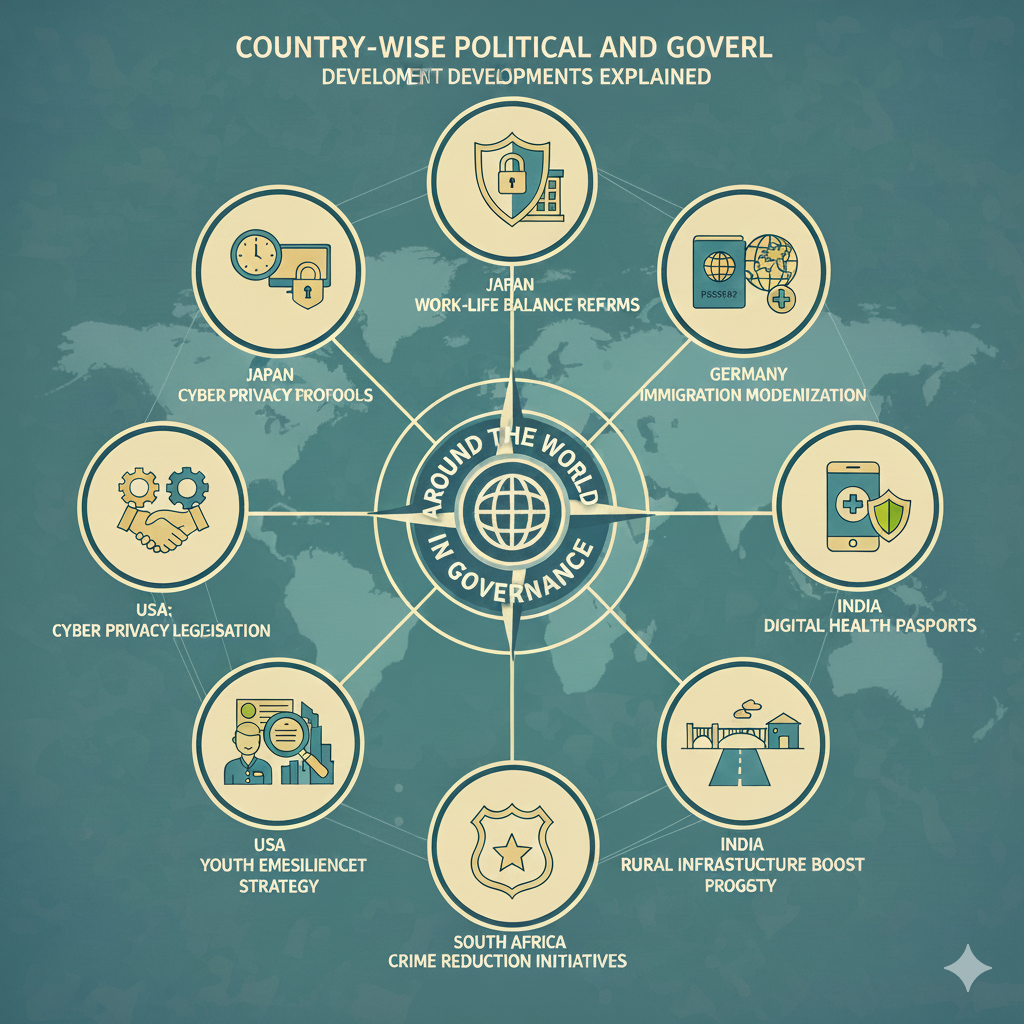
The cornerstone of international relations is global diplomacy. In order to safeguard their interests and oversee international affairs, states engage in communication, negotiation, cooperation, and occasionally competition. In a world growing more interconnected by the day, diplomacy is essential to preserving peace, settling disputes, fostering economic expansion, and tackling common issues like public health emergencies, climate change, and security threats. Comprehending the functioning of diplomacy facilitates the explanation of how states mold international relations and impact the world order.
Global Diplomacy: What Is It?
The practice of managing relations between states through communication, compromise, and representation is known as diplomacy. Diplomats, foreign ministries, embassies, and international organizations are responsible for carrying it out. While economic might and military might are important, diplomacy offers a nonviolent means of resolving conflicts and fostering collaboration.
Bilateral relations are only one aspect of global diplomacy. It involves regional alliances, multilateral talks, and involvement in international organizations that set standards, norms, and guidelines for behavior on a worldwide scale. While preserving stability in the international system, governments use diplomacy to further their own interests.
Diplomacy’s Historical Origins
Since ancient times, diplomacy has developed in tandem with the nation-state system. Early diplomatic initiatives prioritized commercial routes, alliances, and averting conflict. With the establishment of organizations like the United Nations, which aim to avert major hostilities and advance collective security, international diplomacy greatly increased following the two World Wars.
Power struggles and ideological rivalry impacted diplomacy throughout the Cold War. Globalization, technical advancement, and multipolar power structures have created a more complicated context in which diplomacy now operates.
Foreign Policy and National Interests
The pursuit of national interests is at the core of diplomacy. These consist of cultural identity, political influence, economic success, and security. Based on its history, geography, resources, and internal priorities, every country determines its interests.
The framework for pursuing these interests globally is known as foreign policy. The main instrument for carrying out foreign policy is diplomacy, which enables countries to establish alliances, negotiate treaties, resolve conflicts, and encourage commerce and investment.
Diplomacy, both bilateral and multilateral
Both bilateral and multilateral diplomatic interactions take place. Direct ties between two nations are the focus of bilateral diplomacy, which is frequently facilitated by high-level visits and embassies. These connections promote cooperation, foster confidence, and aid in the resolution of particular problems.
Several nations cooperating through international organizations or venues is known as multilateral diplomacy. Platforms for group decision-making are offered by organizations like the World Trade Organization, the United Nations, and regional blocs. Addressing global issues that no one country can resolve on its own requires multilateral diplomacy.
International Trade and Economic Diplomacy
International relations are significantly shaped by economic concerns. Trade discussions, investment agreements, financial cooperation, and development assistance are all examples of economic diplomacy. Economic instruments are used by nations to influence international markets, foster growth, and fortify alliances.
Tensions, however, can also result from economic interconnectedness. Diplomatic ties can be strained by trade disputes, resource competition, and sanctions. A balance between national economic objectives and the stability of the international economic system is necessary for effective economic diplomacy.
Conflict resolution and security diplomacy
One of the main concerns of international diplomacy is security. Diplomatic channels are used by nations to handle crises, avoid confrontation, and advance arms control. Regional stability is preserved and aggression is discouraged through alliances and security partnerships.
Both conventional and unconventional dangers are addressed by contemporary security diplomacy. International collaboration is necessary to combat terrorism, cyberattacks, nuclear proliferation, and transnational crime. Building confidence, exchanging intelligence, and coordinating solutions to these difficult problems are all facilitated by diplomatic involvement.
International Institutions’ Function
Global diplomacy is greatly influenced by international organizations. They create worldwide standards, offer forums for discussion, and promote collaboration. Institutions also assist in resolving conflicts through mediation and legal procedures.
Despite their significance, multinational organizations must deal with issues like representation concerns, financial limitations, and political disputes. Maintaining efficient global governance requires strengthening these institutions.
Soft Power and Public Diplomacy
Diplomacy now encompasses more than just government-to-government interactions. Engaging foreign populations through communication, media, education, and culture is known as public diplomacy. The capacity to influence by appeal rather than force is known as soft power, and it has grown in importance as a diplomatic tactic.
To enhance their international reputation and create enduring connections, nations invest in cultural exchanges, international broadcasting, and educational initiatives. Mutual understanding and perception-shaping are facilitated by public diplomacy.
Technology and Diplomacy’s Future
Diplomatic procedures have changed as a result of technology. Rapid coordination is made possible by digital communication, and governments can interact directly with audiences throughout the world through social media. At the same time, new diplomatic issues like disinformation and cyberwarfare have been brought about by technological advancements.
Future diplomacy will be more and more concerned with cybersecurity standards, technological regulation, and collaboration in cutting-edge industries like space exploration and artificial intelligence.